IJEBU-ODE 2026 DIOCESAN SEMINAR CHARTS NEW COURSE IN DAY 1 AND DAY 2
The Partner Newspaper
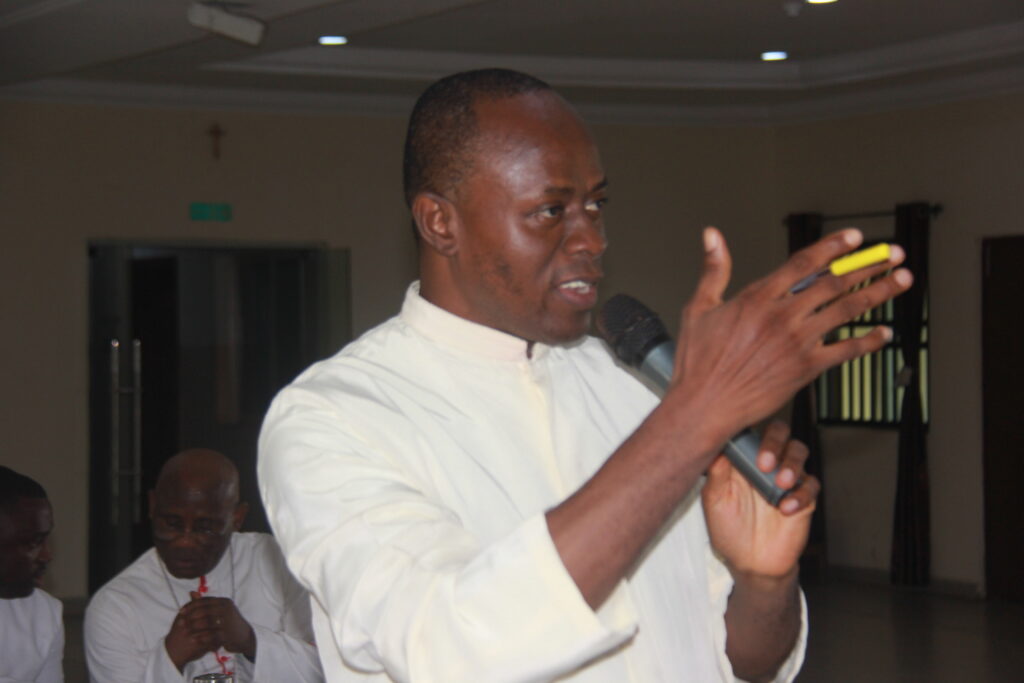
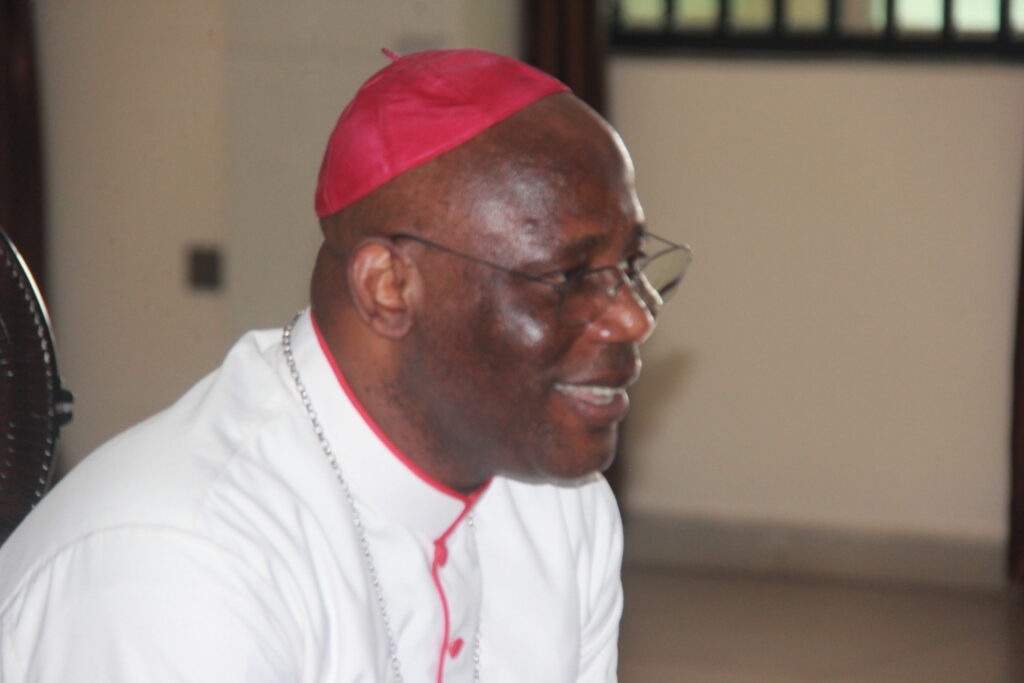
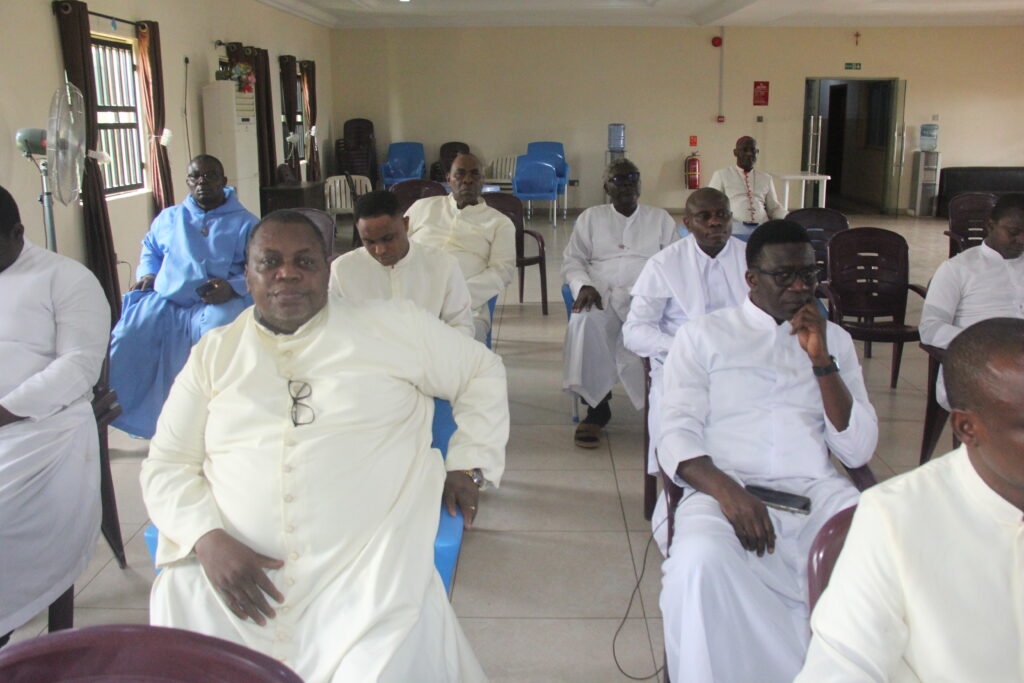
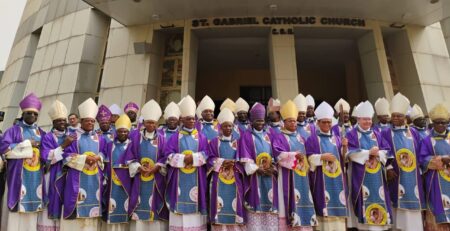
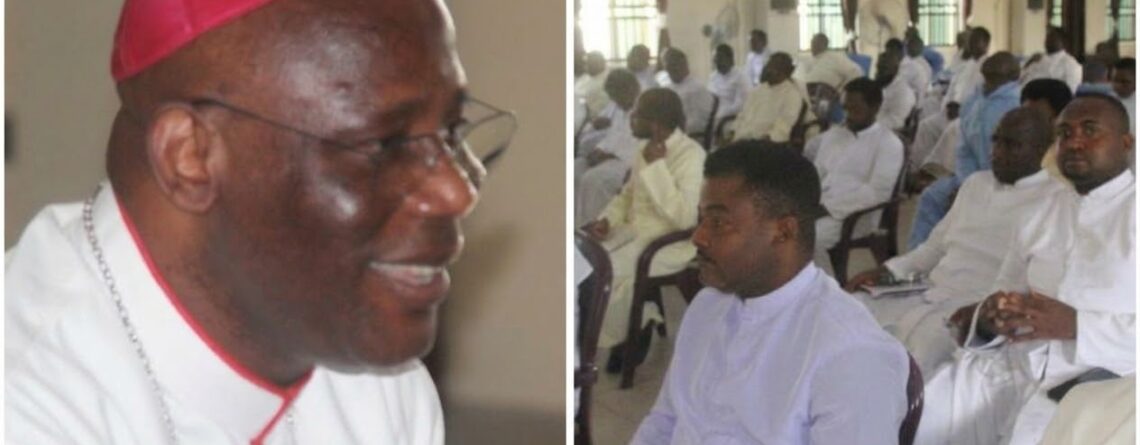
At the 2026 Annual Diocesan Pastoral Seminar, Tuesday, November 24, and Wednesday, November 25 were loaded with both pastoral reports of parishes and seminar papers for deliberation. The Diocese of Ijebu-Ode examined pressing pastoral challenges across family life, digital communication, and lay formation. Across Day 1 and Day 2, three resource persons urged the local Church to pair doctrinal fidelity with practical moral witness in homes, parishes, and public life.
In his lecture on gender-based violence in family life, Rev. Fr. David-Mary Odunsi, Ph.D., condemned all forms of gender-based abuse as grave violations of human dignity, echoing the Catholic Bishops’ Conference of Nigeria’s Osogbo plenary communique. He noted that while women bear the heaviest burden of domestic and cultural abuse, including battery, rape, female genital mutilation, disinheritance, and discriminatory widowhood rites, men also suffer distinct forms of mistreatment, such as sole financial pressure, verbal abuse, extortionate bride prices, and sexual blackmail. Challenging patriarchy, biological determinism, and misinterpretations of Ephesians 5:22, Fr. Odunsi drew on Pope Francis’s Amoris Laetitia, Yoruba cultural values that honour womanhood, and legal sanctions under Nigeria’s Criminal Code and VAPP Act, while introducing a diocesan assessment tool to track abuse across local communities.
Addressing the digital frontier through Pope Leo XIV’s encyclical Magnifica Humanitas, Rev. Fr. Anthony Adetayo, Director of Communications for the Diocese of Ijebu-Ode, warned against allowing algorithms, viral clout culture, and artificial intelligence to distort human perception and priestly identity. Grounding his reflection in Marshall McLuhan’s media theory and survey data from diocesan clergy and religious, he cautioned against “content-creator” ministry driven by online celebrity, monetized livestreams, ethnic or partisan polemics, and unverified deepfakes, while flagging practical risks around prayer distraction and unmonitored private direct messages. To safeguard embodied pastoral presence, Fr. Adetayo called for “digital asceticism” marked by periodic phone fasts, device-free boundaries, online accountability, and contemplative silence before speaking or posting.
Very Rev. Fr. Dr. Martin-Rita Adeleke Ogunbanwo delivered a paper on the pastoral care of the sick and elderly. In his presentation, he stressed the need for priests to clearly distinguish between the Anointing of the Sick, which brings healing and strength, and Viaticum, which is meant for the dying, so that the faithful do not fear every priestly sick call as an omen of imminent death. Fr. Ogunbanwo also advocated blending Catholic sacramental theology with core Yoruba concepts of illness (Àìsàn), old age (Ògbó), spiritual fortification (Ètùtù), and communal well-being (Àlàáfíà) to address patients’ spiritual and cultural needs without syncretism. Applying this framework to diocesan healthcare institutions, he urged hospital chaplains to conduct spiritual and cultural triage, honor elderly patients, and involve families in ward prayers, while challenging all priests in the diocese to respond promptly to urgent sick calls
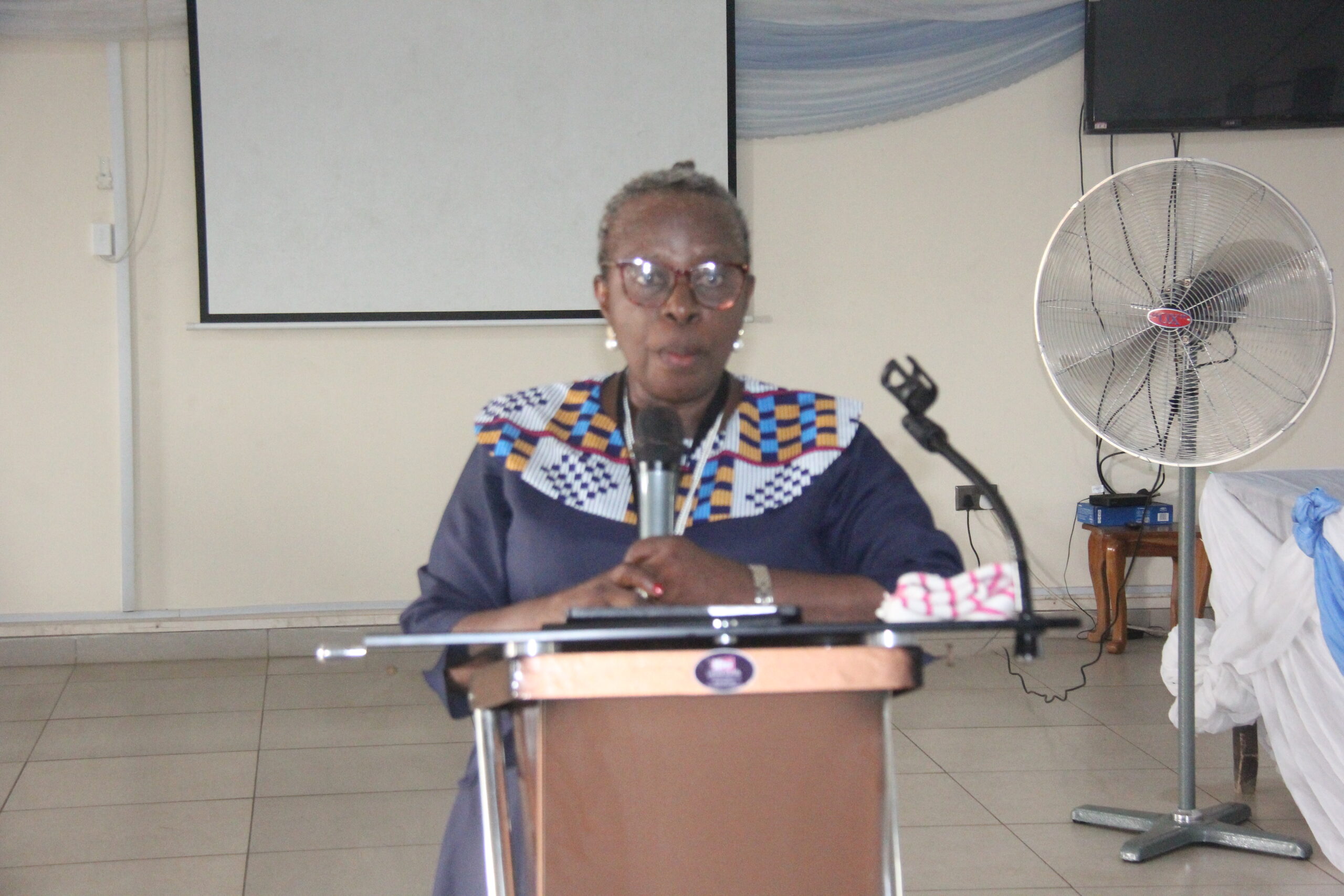
Turning on Wednesday, to lay empowerment, Mrs. Mary Oluremi Ekundayo, J.P., urged the 56-year-old diocese to move beyond organizing standalone events to building a sustainable, institutional formation architecture rooted in St. John Paul II’s Christifideles Laici. Describing the laity as a “sleeping giant” whose faith must shape schools, businesses, politics, and digital spaces, she proposed a five-stage formation pathway spanning childhood through adulthood, alongside a Diocesan School for Formators. She further recommended aligning church sodalities with annual diocesan priorities, establishing a permanent Formation Commission, creating a dedicated Lay and Youth Formation Fund, and adopting a ten-year strategic plan to transform parish activity into active Christian mission.
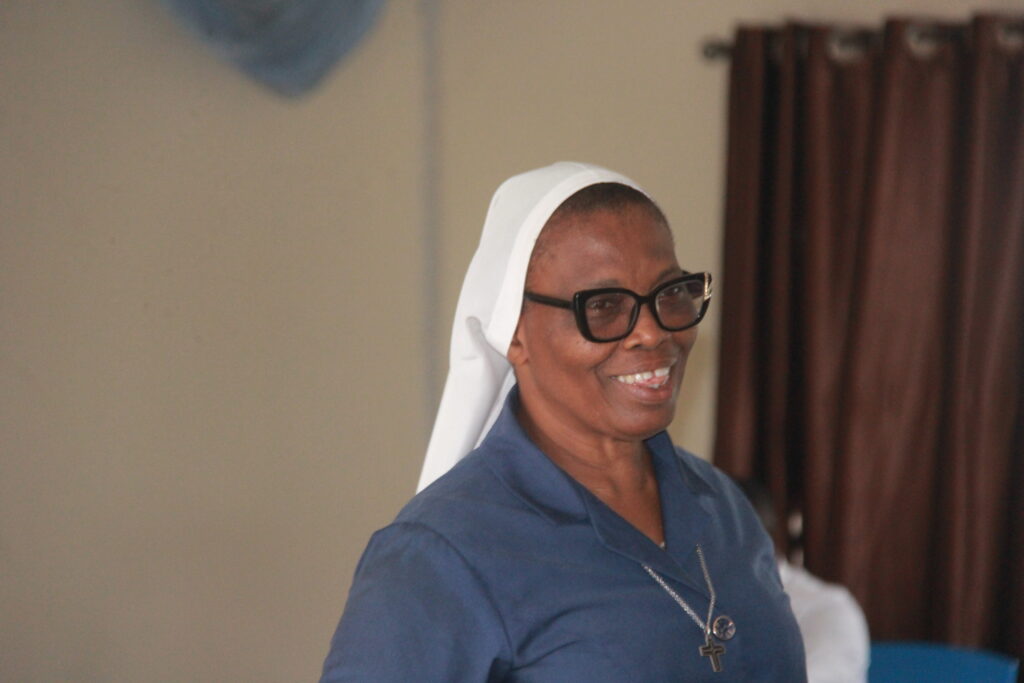
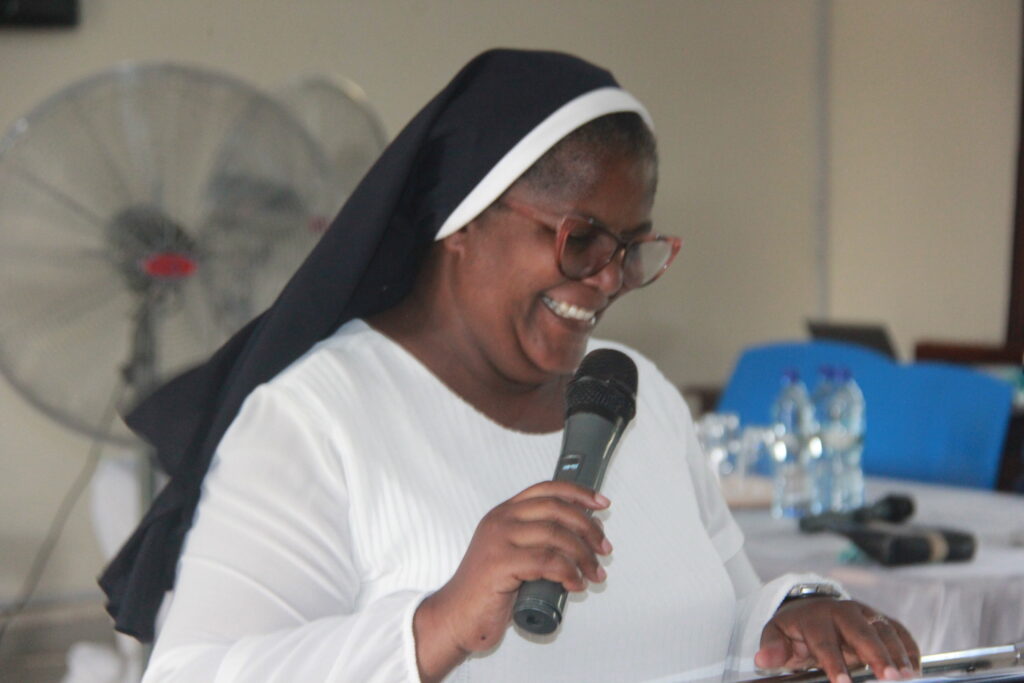
Rev Sr. Catherine Adelegan SSL and Rev. Sr. Joy Gertrude Okonkwo OLA call for deeper collaboration between priests and female religious as this has been described as vital to effective ministry and holistic growth in the Catholic Diocese of Ijebu-Ode. Speaking on “Improving Pastoral Collaboration of Female Religious, A Path Way to Holistic Growth in the Catholic Diocese of Ijebu-Ode.” They stressed that priests and consecrated women are complementary co-workers in Christ’s mission rather than competitors. They urged parishes to include sisters in leadership and planning teams while fostering mutual respect, humility, open communication, and recognition of each other’s roles. Warning against clericalism, isolation, unclear boundaries, and poor communication, they called on priests and religious to reject superiority and walk together as equal partners in faith, love, and service.